

Physiotherapy with Virtual Reality for an Engaging and Enjoyable Recovery Process

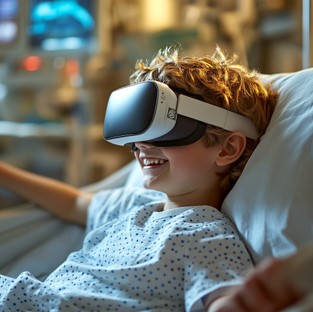
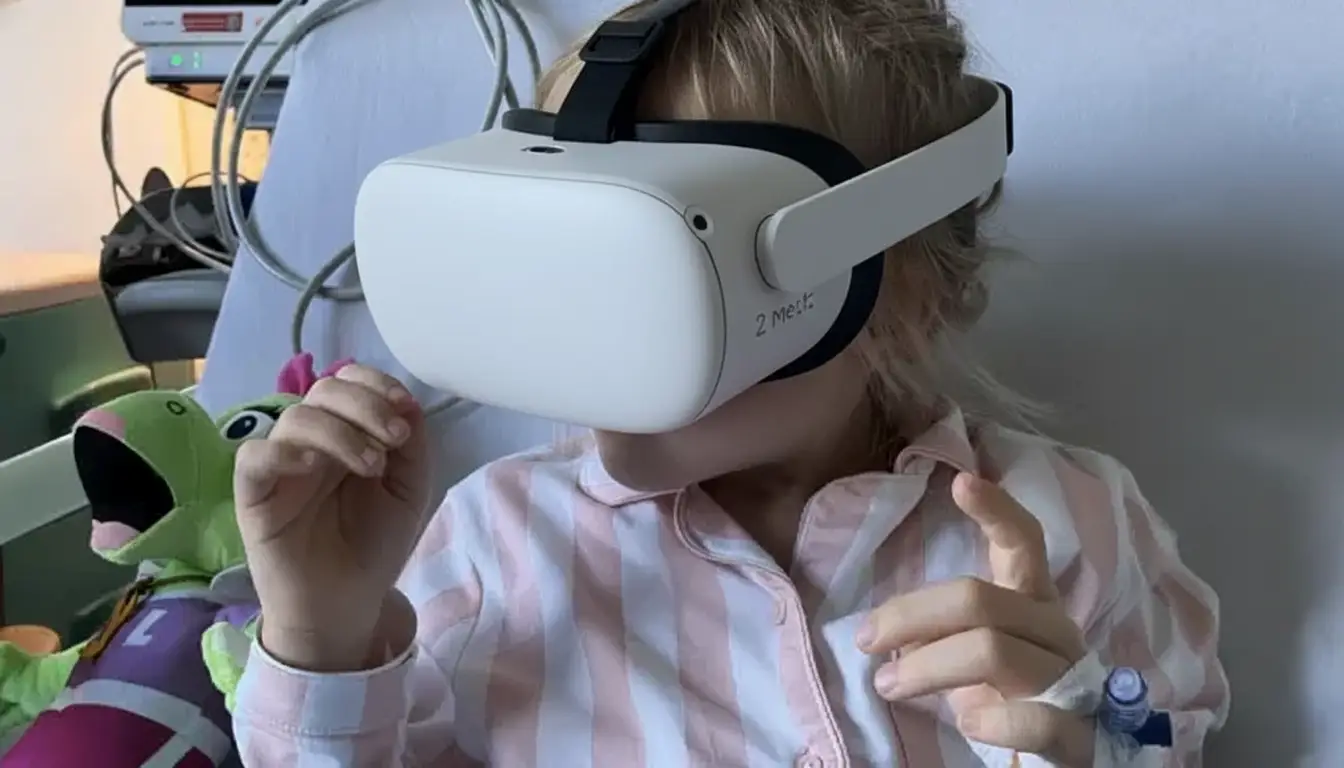
A comfortable, immersive and family-friendly fitness game that supports recovery and well-being.
Designed to accommodate patients in various recovery stages and physical conditions
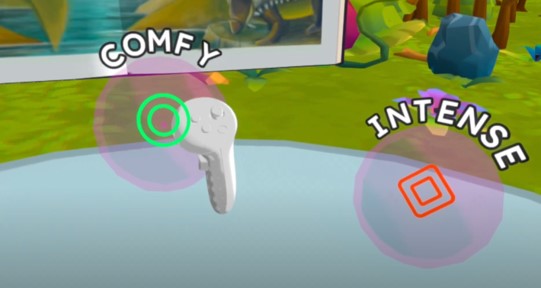
Each level offers Comfy or Intense difficulty settings
Navigate exciting river rapids in your kayak, paddling through a prehistoric waterway!
Muscle Groups: Rotator cuff muscles (shoulder), Latissimus dorsi (mid and lower back), Rhomboid muscles (upper back, between the spine and shoulder blades)
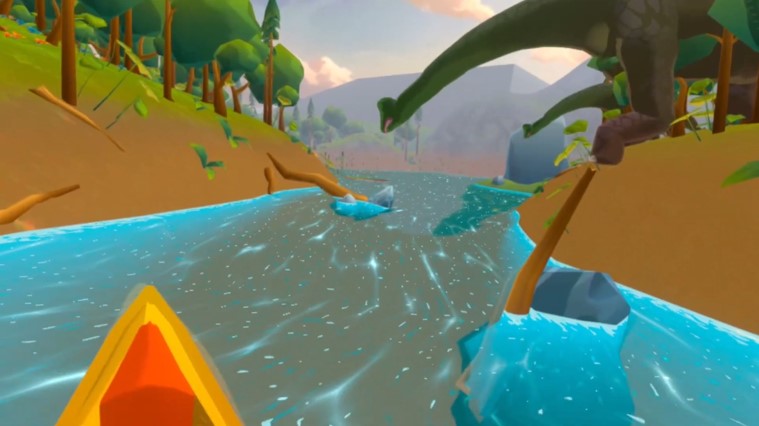
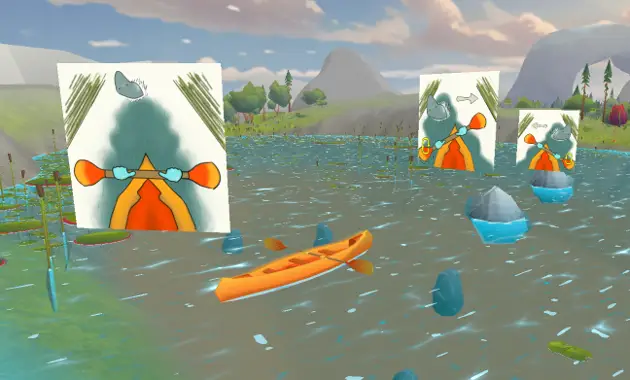
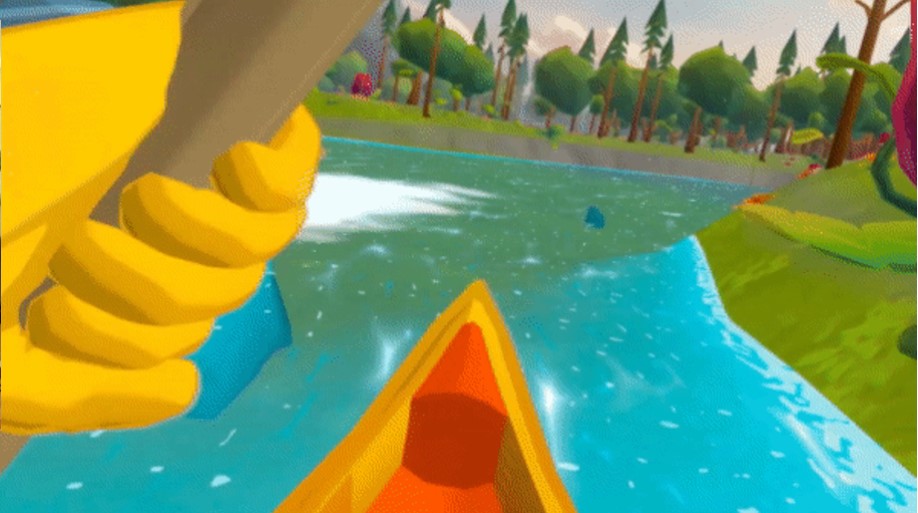
Kayaking is a great way to stay fit and active. The kayaking motion engages the rotator cuff muscles through controlled rotational movements, which are essential for shoulder stability and rehabilitation. The alternating paddle strokes activate the latissimus dorsi and rhomboid muscles in the upper back, promoting improved posture and scapular retraction. Furthermore, the forward-reaching motion during each stroke provides a safe range-of-motion exercise that helps restore shoulder flexibility while maintaining proper biomechanical alignment. The rhythmic, bilateral nature of the movement pattern encourages symmetrical muscle development and prevents compensation patterns that can develop during injury recovery, making it an ideal activity for physical therapy, especially when using an engaging VR kayaking game to promote motivation and adherence to the rehabilitation regimen.[1]
[1] Choi, W., & Lee, S. (2018). Ground Kayak Paddling Exercise Improves Postural Balance, Muscle Performance, and Cognitive Function in Older Adults with Mild Cognitive Impairment: A Randomized Controlled Trial. Medical Science Monitor, 24, 3909–3915. https://doi.org/10.12659/msm.908248
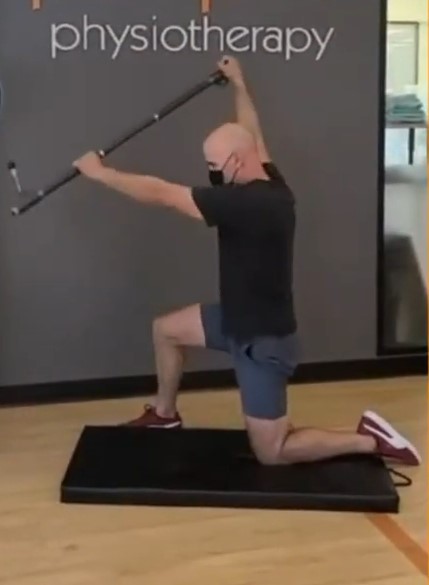
Movement demonstration for Level 1
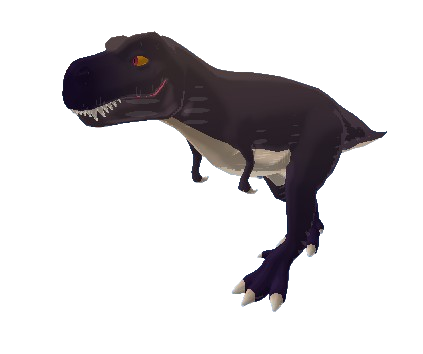
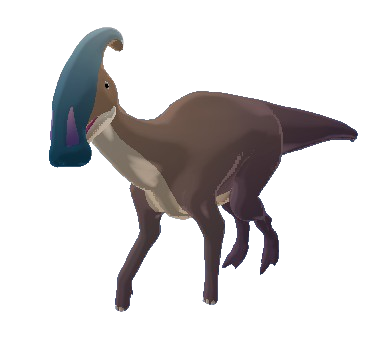
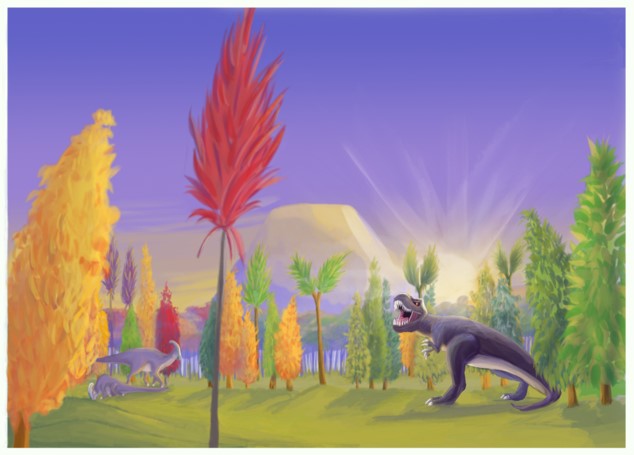
Throw a pouch of sleeping powder at a moving dinosaur, then clean its teeth from inside its mouth with a giant toothbrush!
Muscle Groups: Lower extremity (hips, thighs, and calves), Trunk (core), Serratus anterior (sides of chest), Upper extremity (shoulder and arm)
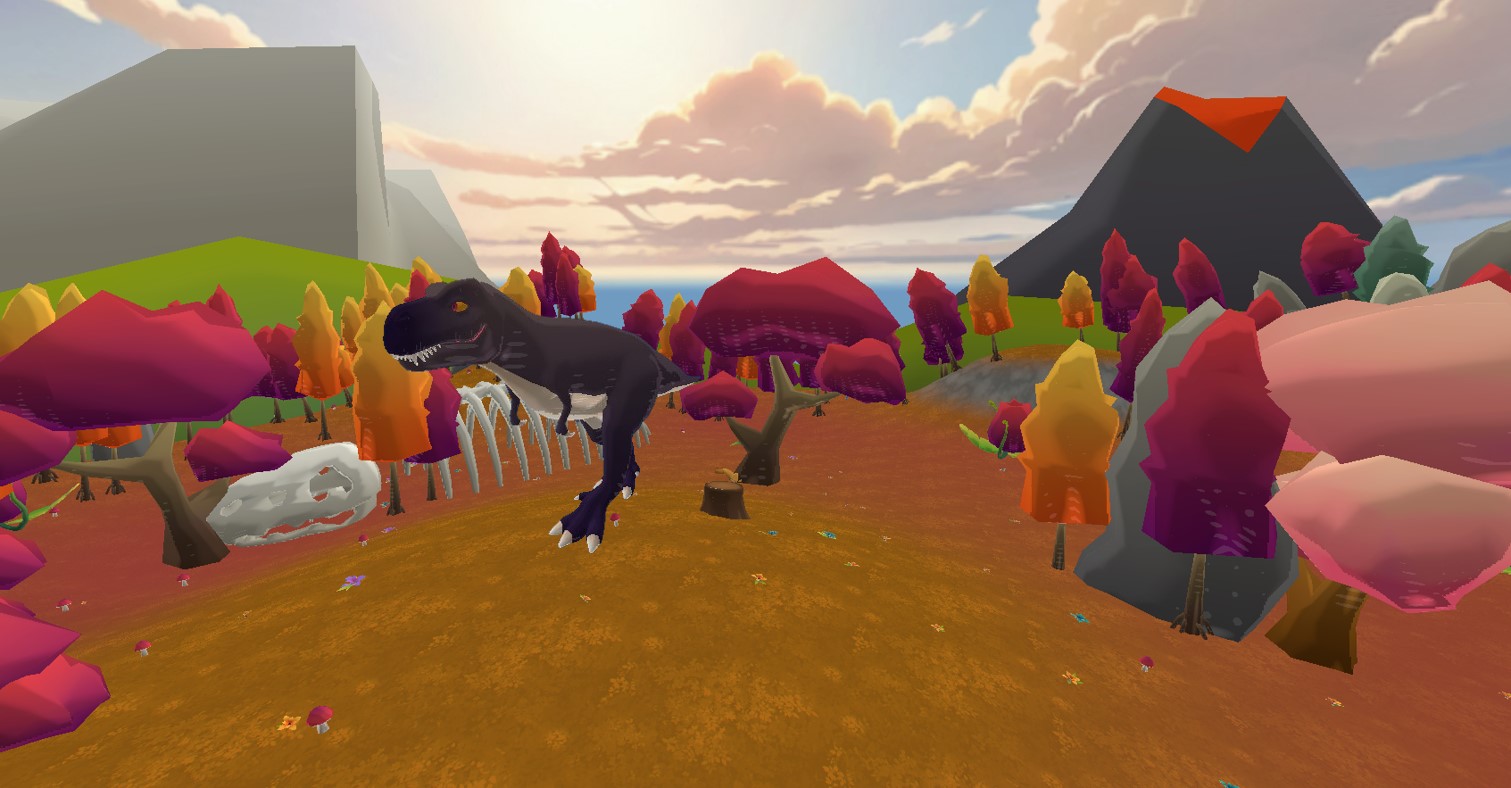
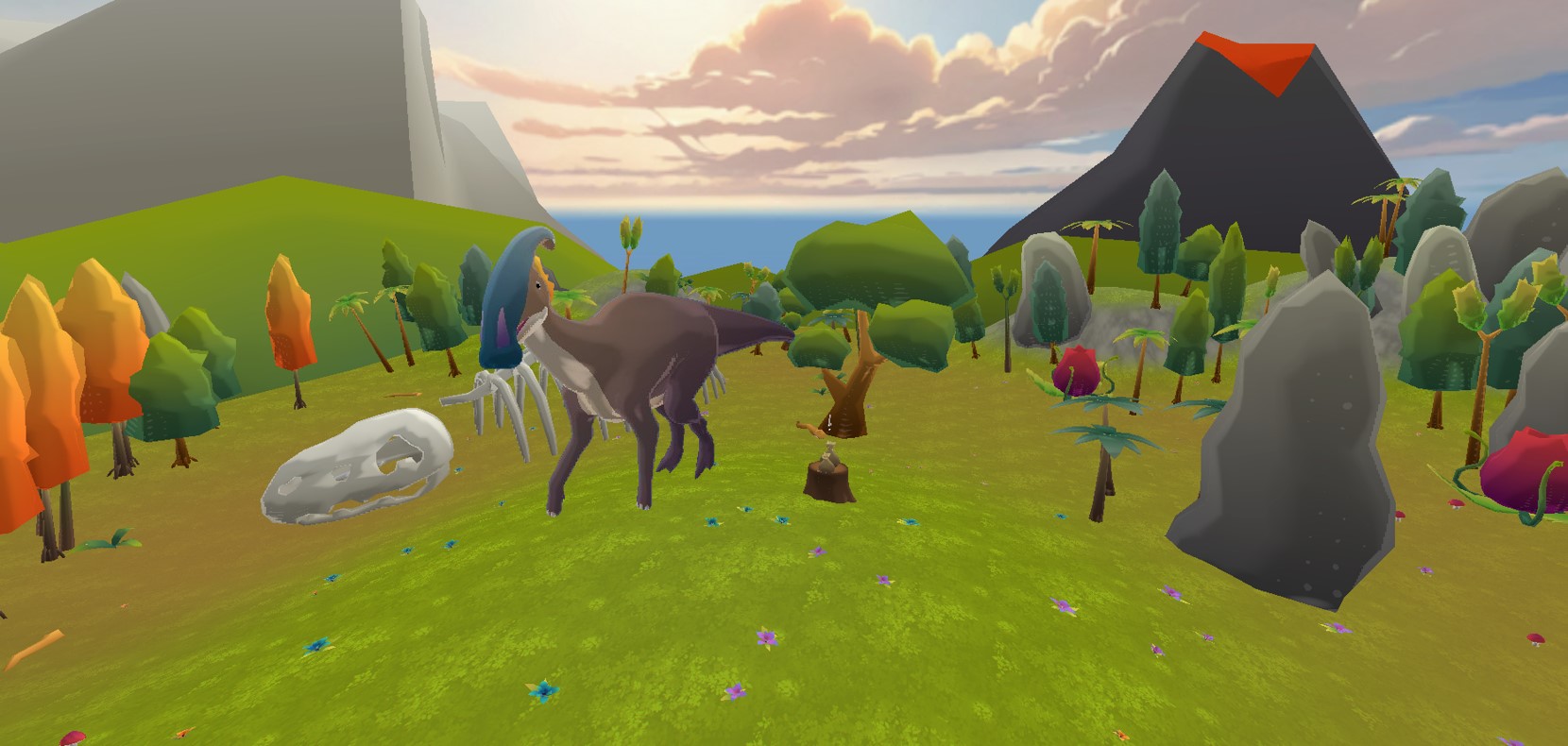
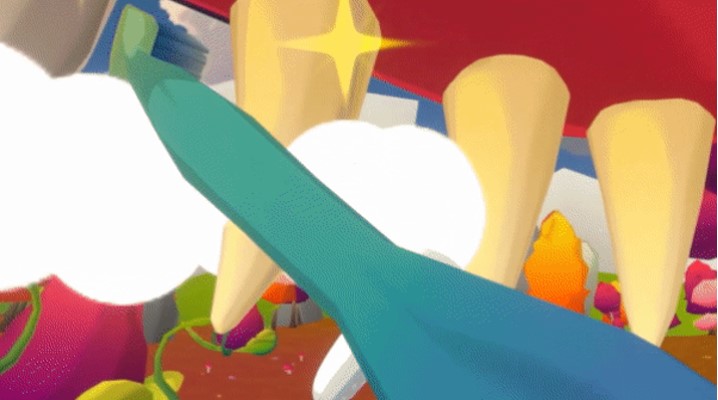

Research by Kaur, et al. (2014) found that simultaneous recruitment of the lower extremity and trunk muscles significantly increased the activation of the serratus anterior muscle during the forward punch plus exercise. Level 2 applies this physiotherapy principle directly: holding the giant toothbrush with two hands and using a light throwing motion to scrub dinosaur teeth requires whole-body engagement. The combined movement necessitates simultaneous recruitment of the lower body and core for rotational torque and stability. This action effectively enhances serratus anterior activation, demonstrating the clinical utility of integrating the kinetic chain the interconnected system of the lower extremity, trunk, and upper extremity in rehabilitation. [2]
[2] Kaur, N., Bhanot, K., Brody, L. T., Bridges, J., Berry, D. C., & Ode, J. J. (2014, December 1). EFFECTS OF LOWER EXTREMITY AND TRUNK MUSCLES RECRUITMENT ON SERRATUS ANTERIOR MUSCLE ACTIVATION IN HEALTHY MALE ADULTS. https://pmc.ncbi.nlm.nih.gov/articles/PMC4275197/
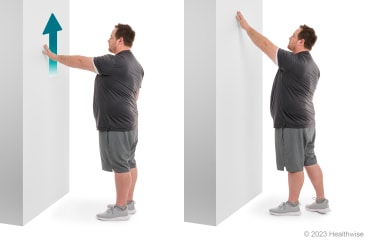
Movement demonstration for Level 2
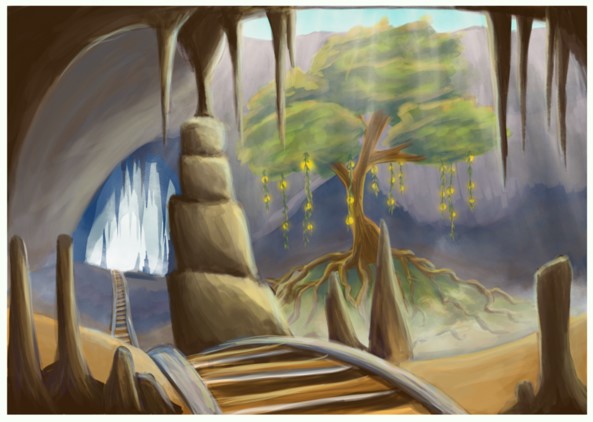
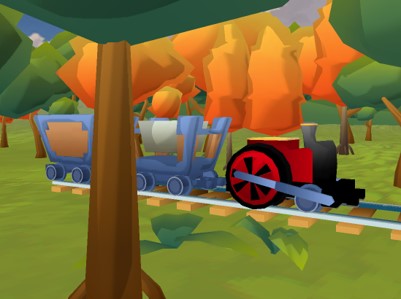
Ride a minecart through a beautiful cave system, stretching to change tracks and collect golden apples from branches hanging above and to the side!
Muscle Groups: Lateral Deltoids (shoulder), (hips), Shoulder Girdle muscles, Glenohumeral muscles (shoulder)
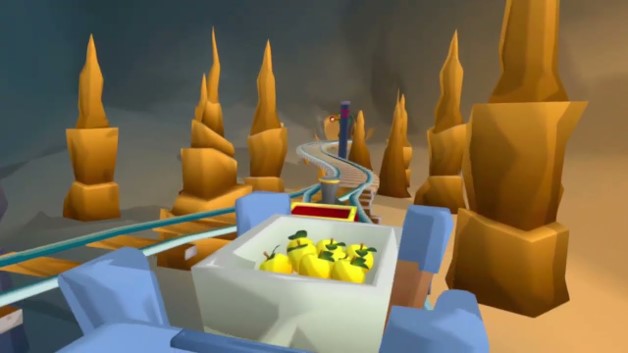
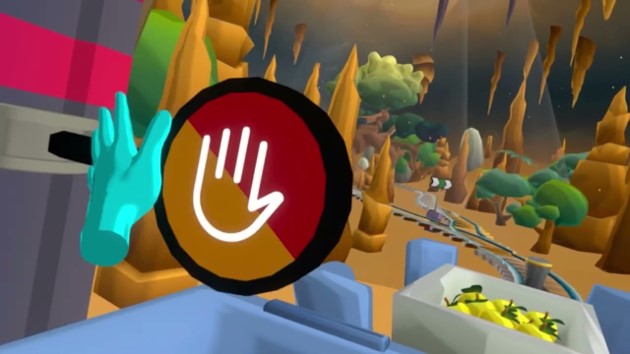
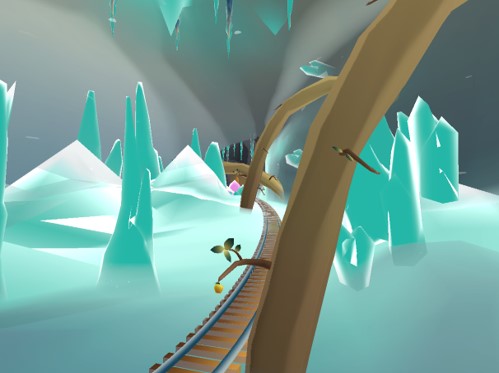
The lateral reaching movements to collect apples engage the lateral deltoids and external obliques, promoting lateral flexion strength and trunk stability.
Overhead reaching is a crucial goal for rehabilitation, as achieving this mobility requires a global shoulder flexion angle of over 120°, which depends on attaining almost full glenohumeral (GH) flexion and abduction (Dyer et al., 2024). [3]
The track-switching motion requires controlled eccentric and concentric contractions of the shoulder girdle muscles, both of which have been shown to be well-tolerated and effective for improving pain, functionality, and strength, with eccentric training potentially offering faster early improvements (Macías-Hernández et al., 2021). [4]
[3] Dyer, L., Bouaicha, S., Swanenburg, J., & Schwameder, H. (2024). Defining the glenohumeral range of motion required for overhead shoulder mobility: an observational study. Archives of Physiotherapy, 14, 47–55. https://doi.org/10.33393/aop.2024.3015
[4] Macías-Hernández, S. I., García-Morales, J. R., Hernández-Díaz, C., Tapia-Ferrusco, I., Velez-Gutiérrez, O. B., & Nava-Bringas, T. I. (2020). Tolerance and effectiveness of eccentric vs. concentric muscle strengthening in rotator cuff partial tears and moderate to severe shoulder pain. A randomized pilot study. Journal of Clinical Orthopaedics and Trauma, 14, 106–112. https://doi.org/10.1016/j.jcot.2020.07.031
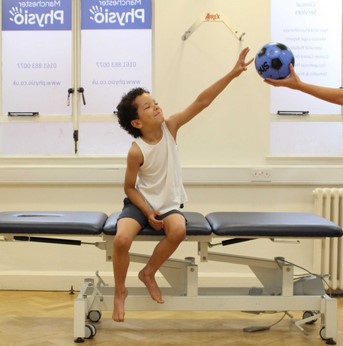
Movement demonstration for Level 3
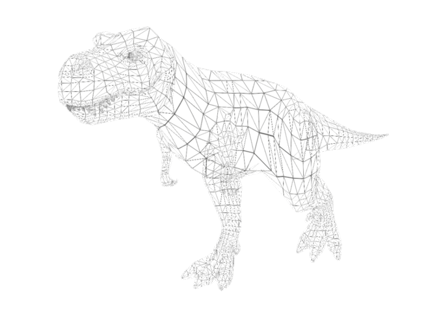
Our team created all the 3D models, 2D art, UI, music, sound effects and code.
This gave us full control over the consistency of the art design as well as how optimized the models were, which is crucial for good frame-rates in standalone VR apps.
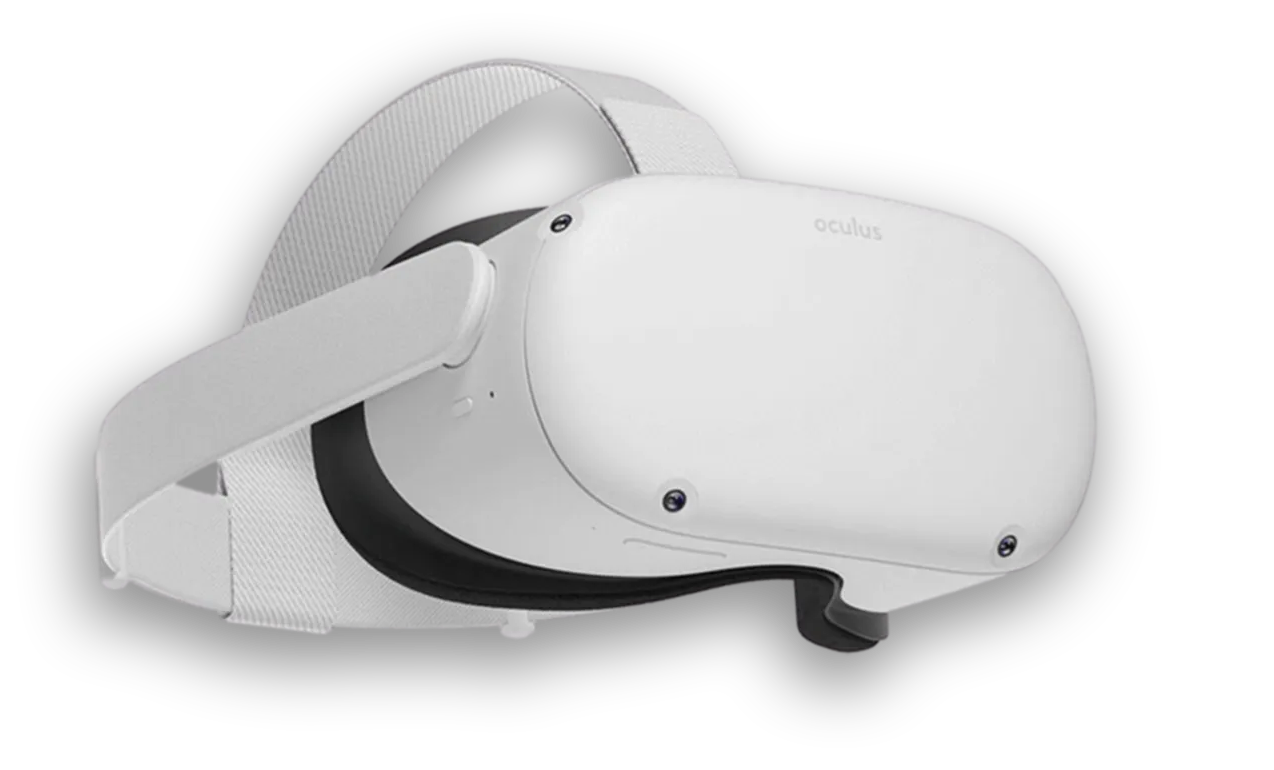
Currently built for Meta Quest 2, 3 and 3S, but we are able to port it to more headsets easily.
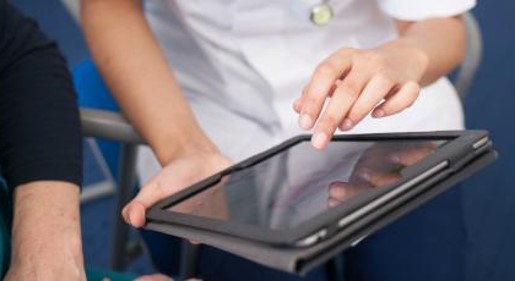
Each level has a comfy or intense difficulty setting, but it's possible for us to expand the game to allow for finer control by a therapist from a tablet that updates the patient's experience in real-time.
Programmer
Programmer
Audio
Art
Art
Art & Music
Art
Art & Music